
Decorative glass is one of the simplest ways to change how a room looks and feels. It brings in light where solid panels would block it, adds privacy where clear glass would show too much, and adds texture or color that paint and tile cannot. It also fits renovation well: much of it goes into openings and doors you already have.
Below are the places it works best in a home, and how to choose the right type for each.
Front doors and sidelights
 Not a Capital Glass project or exact product representation.
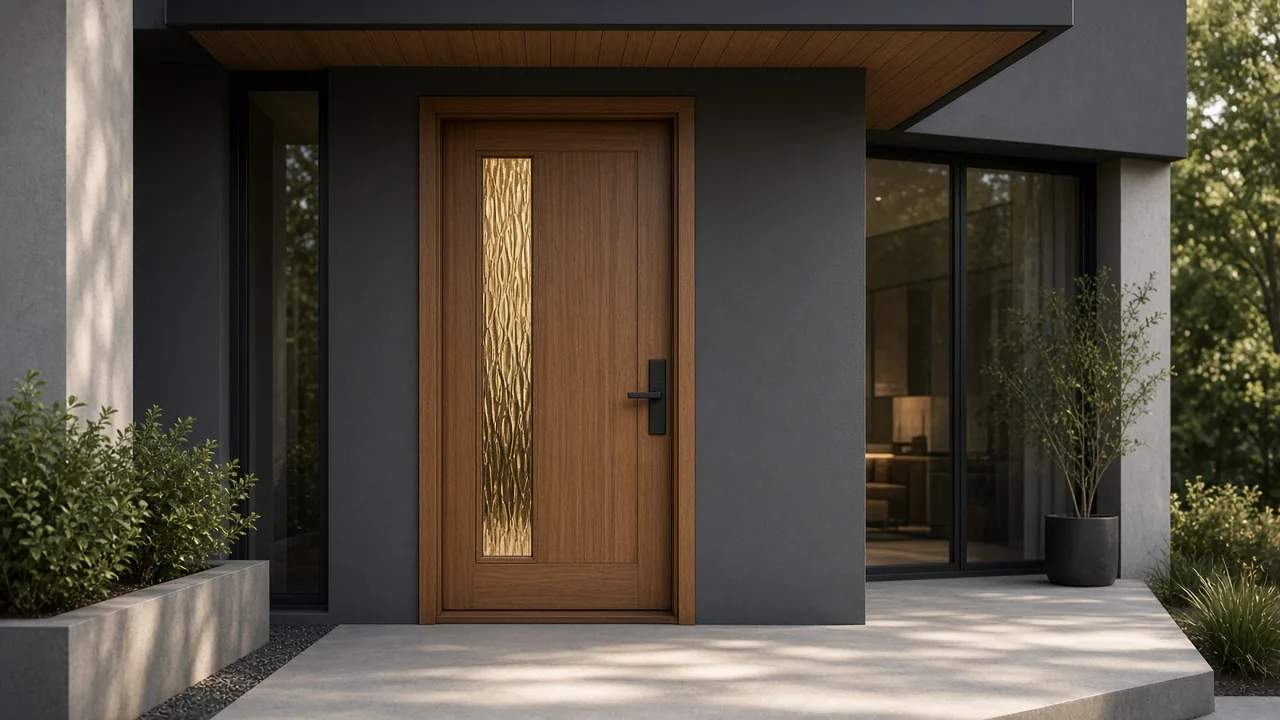
An entry door with glass lets daylight into a hallway that would otherwise be dark, and the right glass keeps the view in from the street blurred. Door glass inserts range from lightly textured to fully obscure, and sidelights and transoms can be matched to the door so the entry reads as one design.
Glass in a door is a safety location under the building codes, so it is generally required to be safety glass (tempered or laminated); the codes allow only narrow exceptions, and the local building official decides. For an existing door, the glass can often be replaced without replacing the door, as long as the frame and its seals are sound.
Kitchen cabinets
 Not a Capital Glass project or exact product representation.
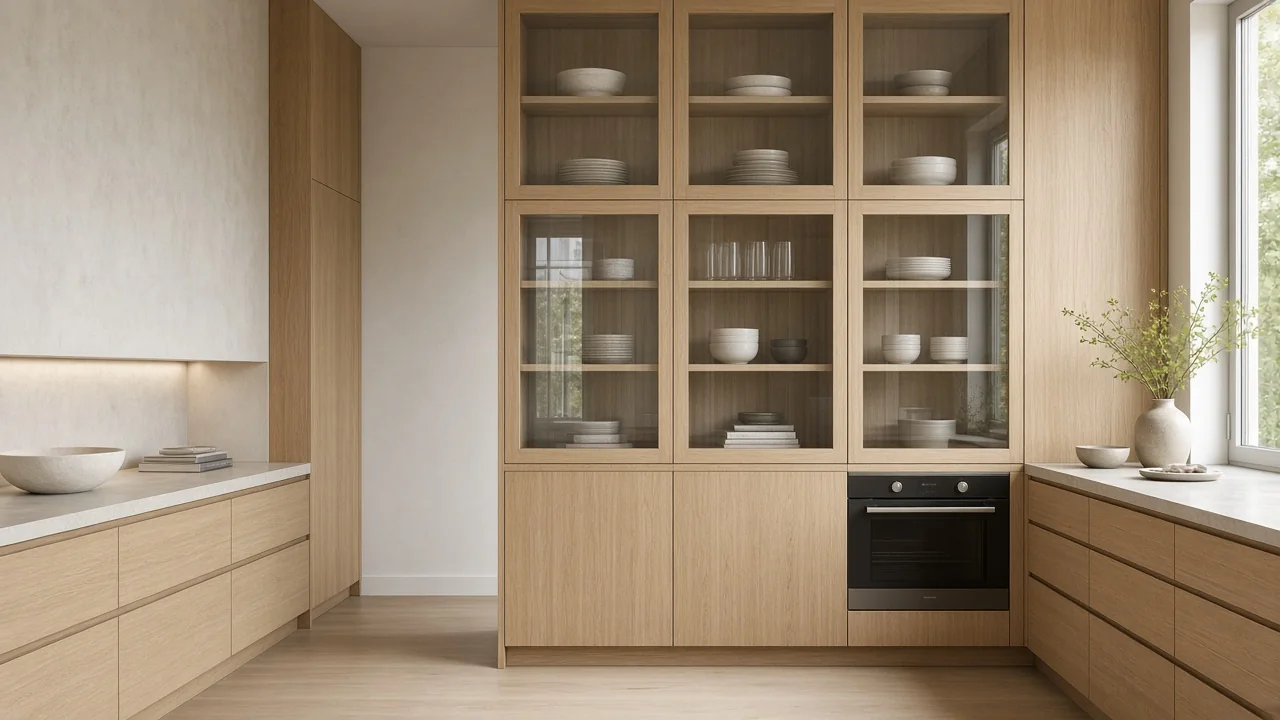
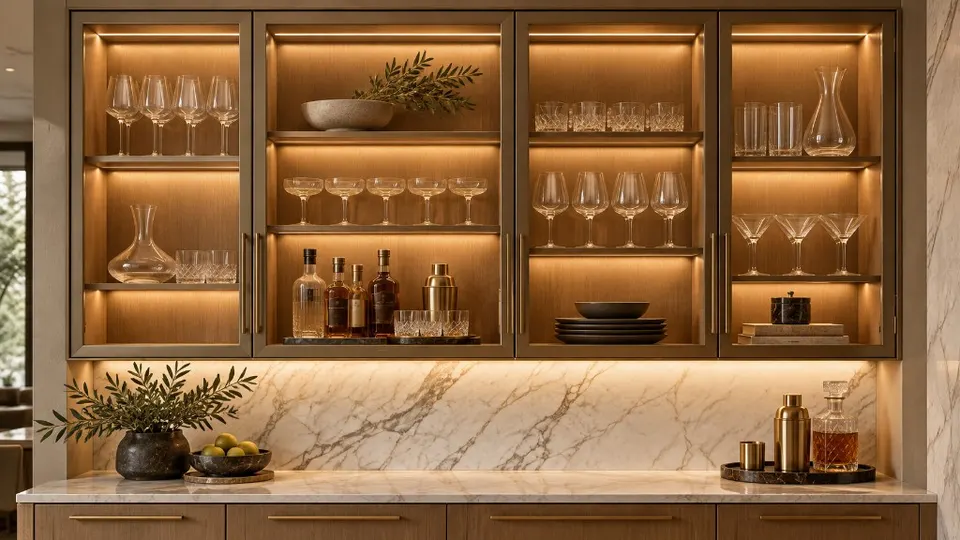
Glass cabinet doors turn upper cabinets into display space and make a kitchen feel lighter. The choice is mostly about how much you want to show:
- Clear glass shows everything, so it suits cabinets that are kept organized or lit from inside.
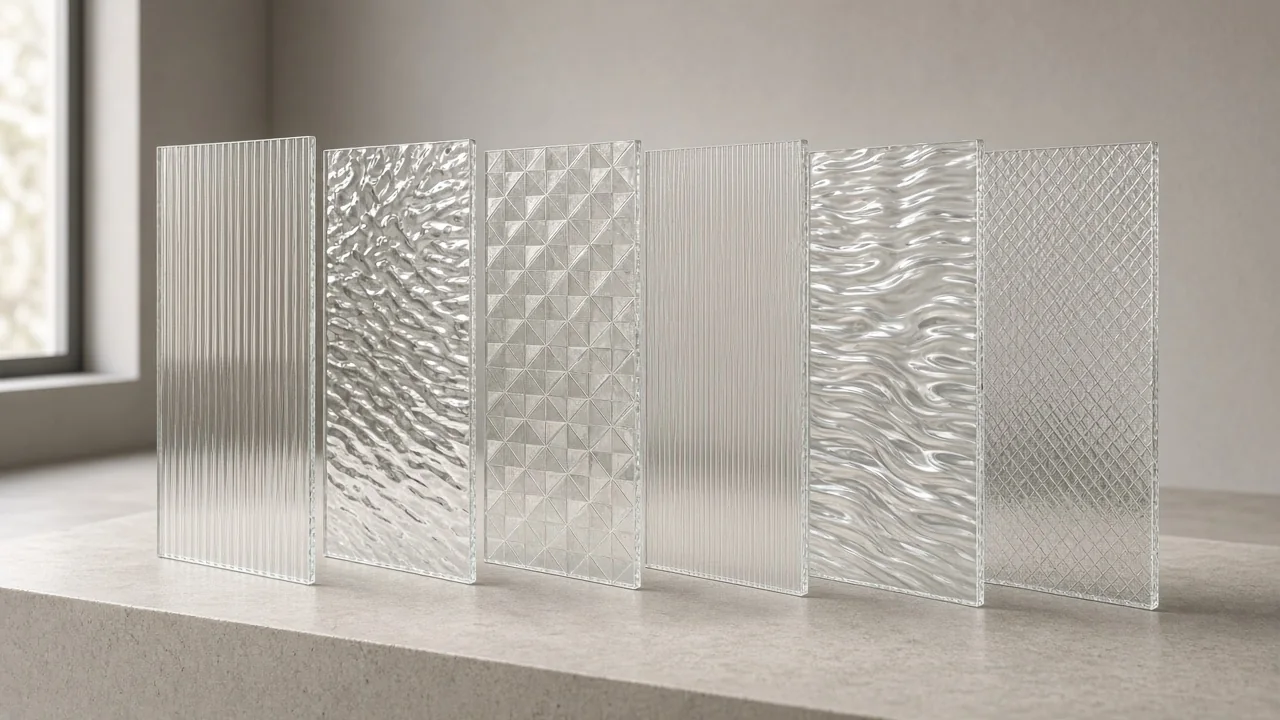
- Seeded, reeded, or other textured pattern glass softens the view and hides some clutter while keeping the shapes of dishes and glassware.
- Acid-etched glass gives an even satin look that hides contents almost completely.
Cabinet glass can be fitted into existing cabinet doors that have a center panel cut out, or into new aluminum-framed doors with a slim metal profile. In a renovation, replacing a few solid upper doors with glass is a small change with a large effect.
 Not a Capital Glass project or exact product representation.
Backsplashes
 Not a Capital Glass project or exact product representation.
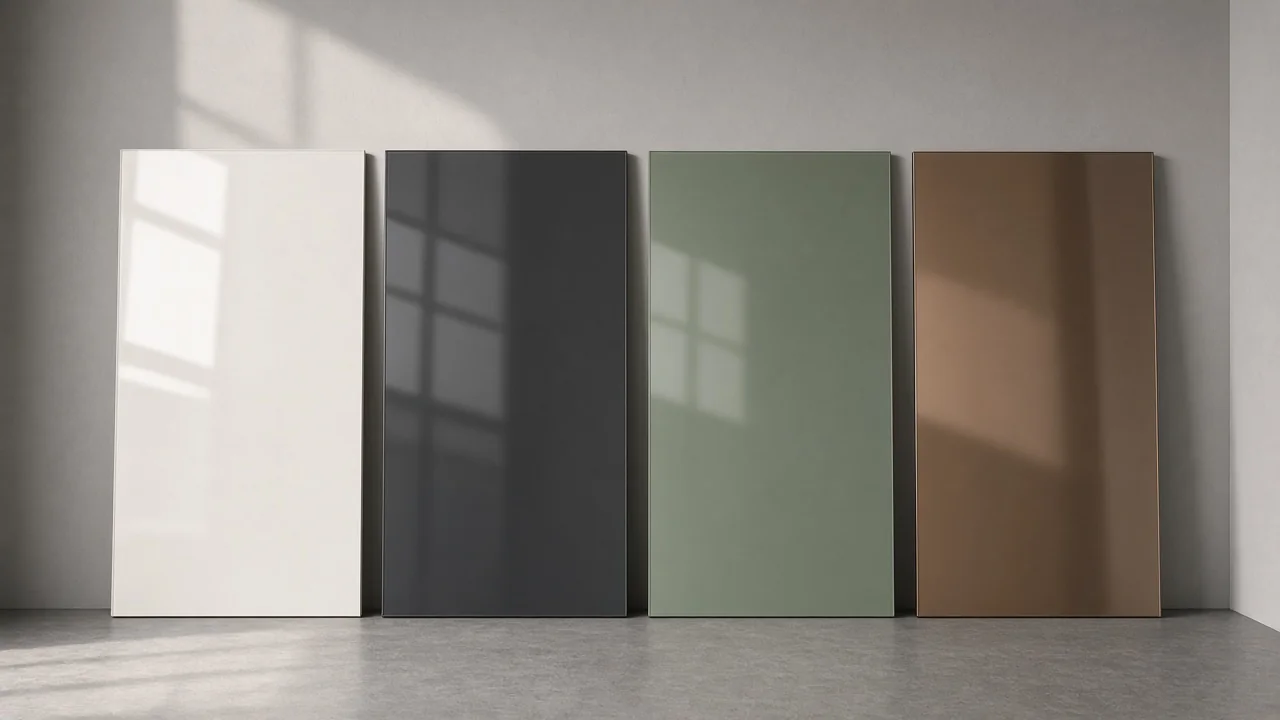
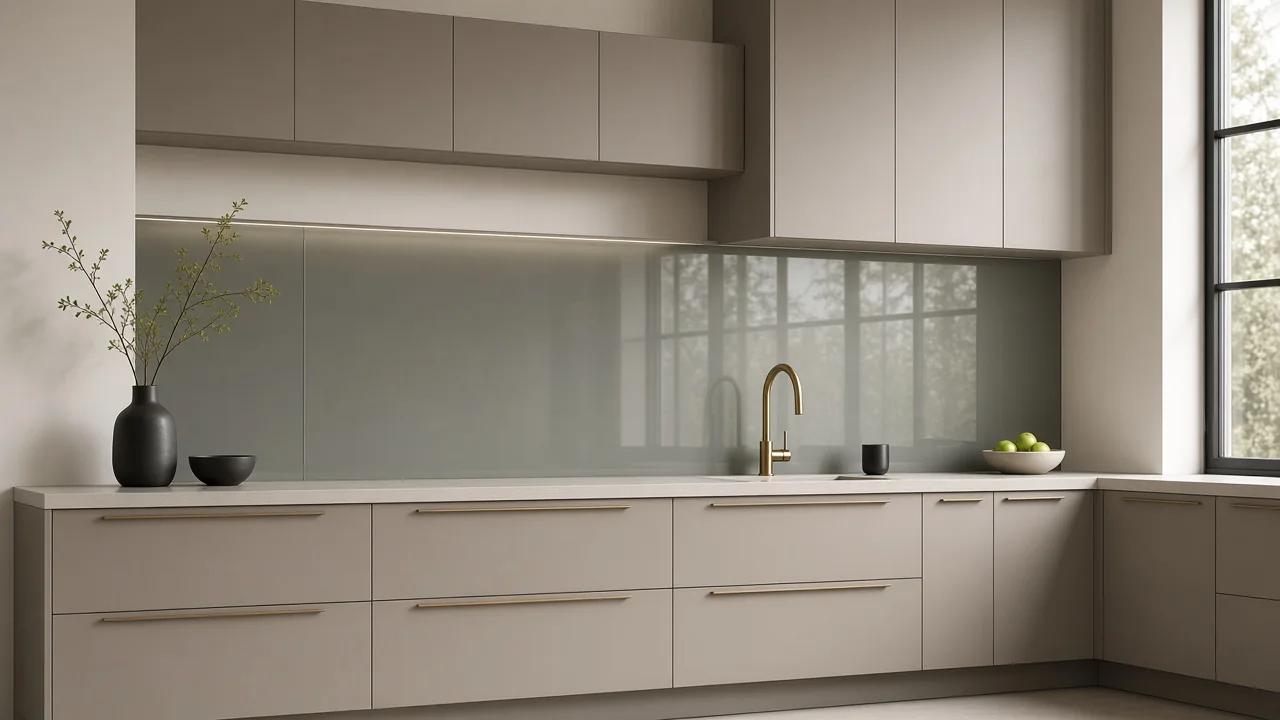
Behind a range or a sink, back-painted glass gives a seamless, wipe-clean surface in almost any color, with no grout lines. Low-iron glass keeps light colors and whites true instead of tinting them green, which our low-iron vs. clear glass guide explains. For layout, outlets, and heat near the cooktop, see our glass backsplash ideas.
Interior doors, pantries, and barn doors
 Not a Capital Glass project or exact product representation.
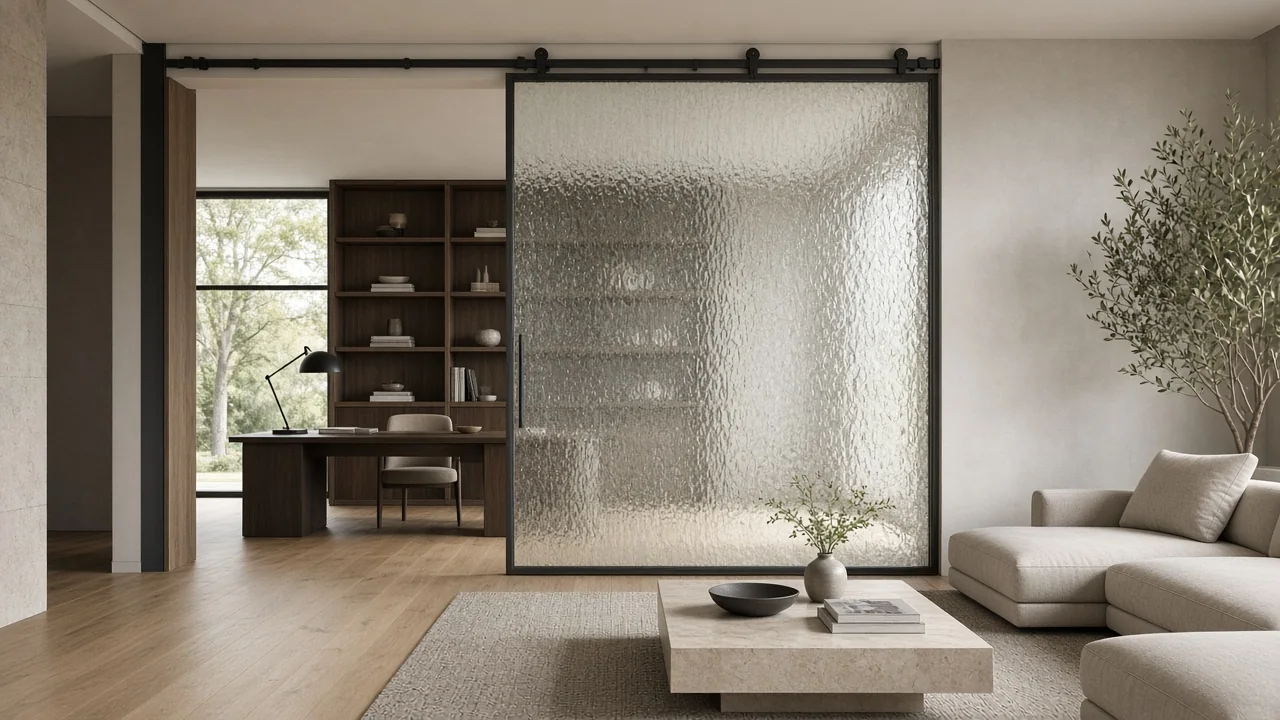
A glass panel in a pantry, office, or laundry door lets light pass between rooms while keeping some separation. Glass barn doors slide along the wall instead of swinging, which helps in tight hallways, and frosted or etched glass keeps an office or bathroom private. Like entry doors, interior doors take safety glass.
Bathrooms
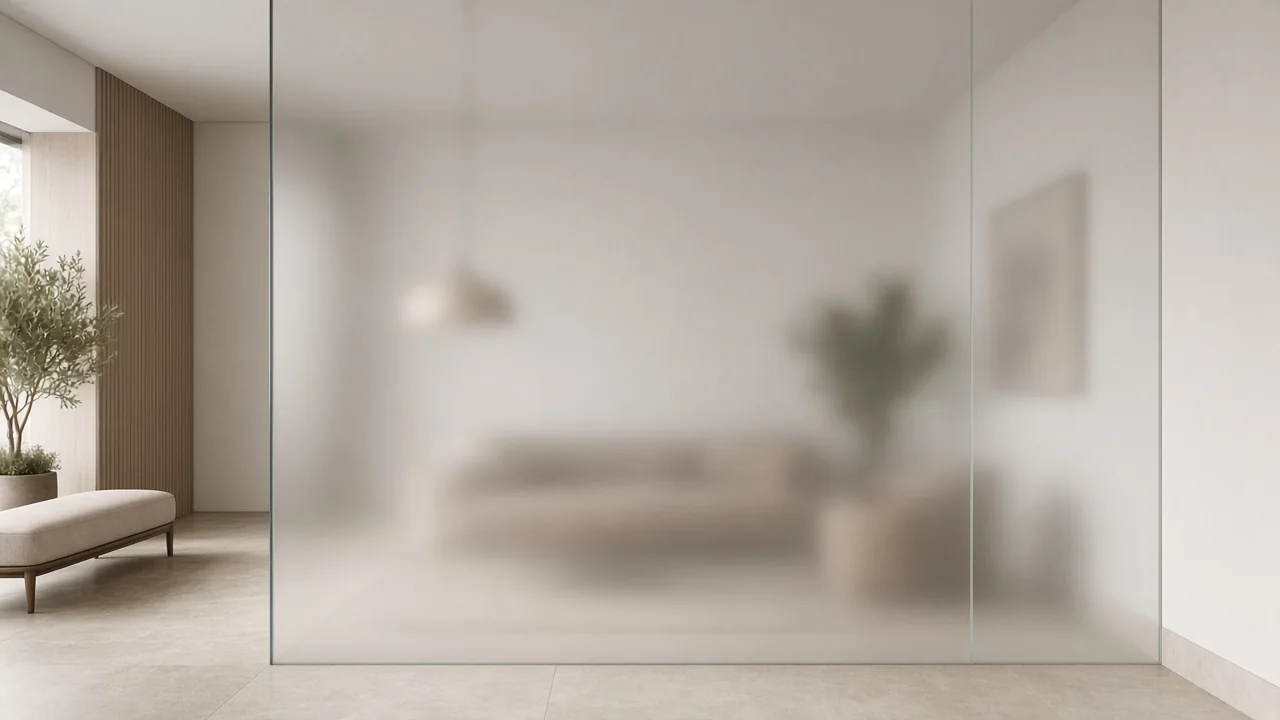 Not a Capital Glass project or exact product representation.
Pattern and etched glass are common for bathroom windows, shower enclosures, and toilet rooms, where privacy matters most. Lightly textured glass in a shower still lets the room feel open; our frameless vs. semi-frameless guide covers the enclosure itself.
Feature walls and art glass
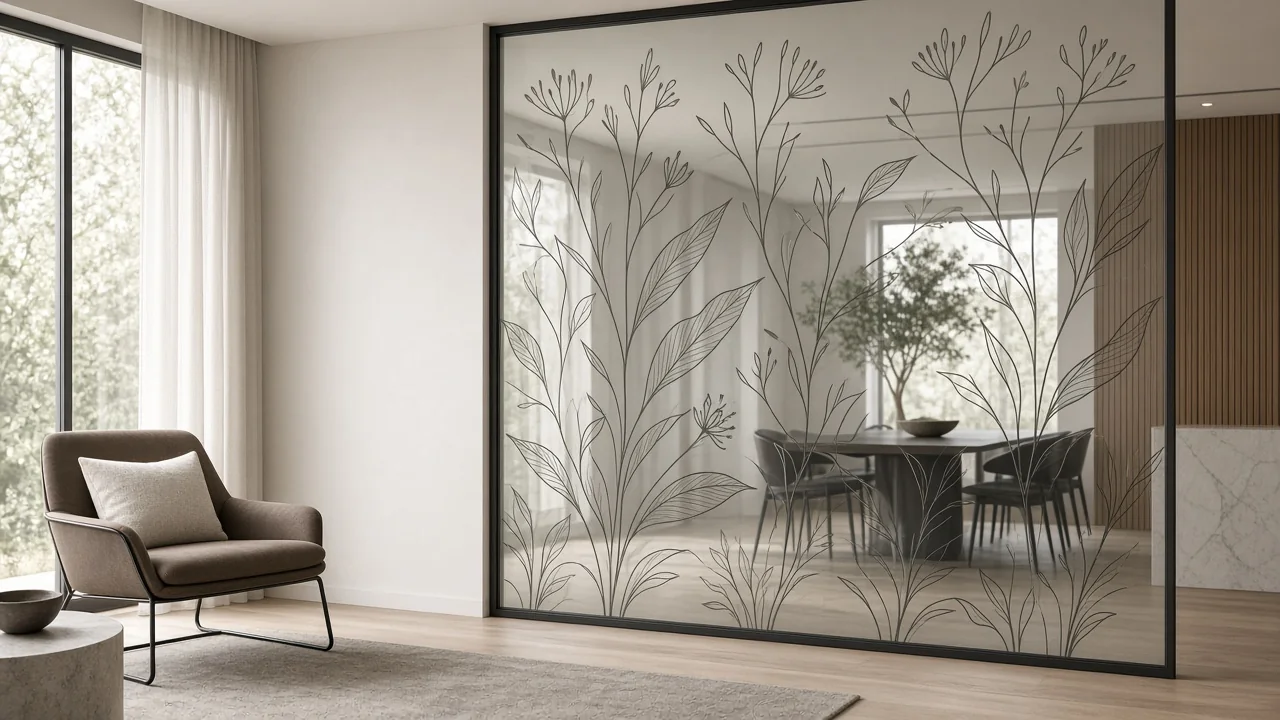 Not a Capital Glass project or exact product representation.
Digitally printed glass can carry a custom image, a pattern, or a gradient, which suits a feature wall, a headboard panel, or a divider. Because the image is on the back of the glass, the front surface stays smooth and easy to clean.
Choosing the type
| Type | Light | Privacy | Typical uses |
|---|---|---|---|
| Pattern glass (seeded, rain, reeded) | High | Low to high, by pattern | Doors, cabinets, bathroom windows |
| Acid-etched glass | High | High | Doors, cabinets, showers, offices |
| Back-painted glass | None | Opaque | Backsplashes, walls, cabinet panels |
| Digitally printed glass | Varies | Varies | Feature walls, dividers |
A few practical points apply to all of them:
- See samples in the room. Texture and color change with the light, so look at samples where the glass will go.
- Put the smooth face where it gets cleaned. Textured glass is usually installed with the textured side away from water and fingerprints.
- Match the hardware. Hinges and pulls on glass doors should match the rest of the room.
What to send for a quote
- Where the glass will go, and photos of the door, cabinet, or wall.
- The opening sizes, or the door or cabinet dimensions.
- The look you want: how much privacy, and any samples you like.
- For entry doors, whether the existing frame stays.
We will recommend the glass for each location, confirm the safety glass requirements, and quote fabrication and installation together.
Common questions
Can I replace the glass in my front door without replacing the door?
Often, yes. Many entry doors and sidelights hold the glass in a removable frame or with glazing stops, so a new decorative insert can be fitted to the existing opening. The glass has to be safety glass, and the frame and its seals have to be in good condition. We measure the opening and confirm how the glass is held before quoting.
Is decorative glass harder to clean?
Textured glass holds more dust and water spots than smooth glass, so it is usually installed with the smooth face toward the side that gets cleaned most, such as the inside of a shower or the kitchen side of a cabinet door. Acid-etched glass has a smooth satin surface that resists fingerprints better than older sandblasted finishes.
Which decorative glass gives the most privacy?
Acid-etched and heavily textured pattern glass blur shapes the most while still letting light through. Lightly textured glass such as seeded or rain patterns adds character but shows more of what is behind it. Back-painted glass is opaque and is used where you want color, not light.