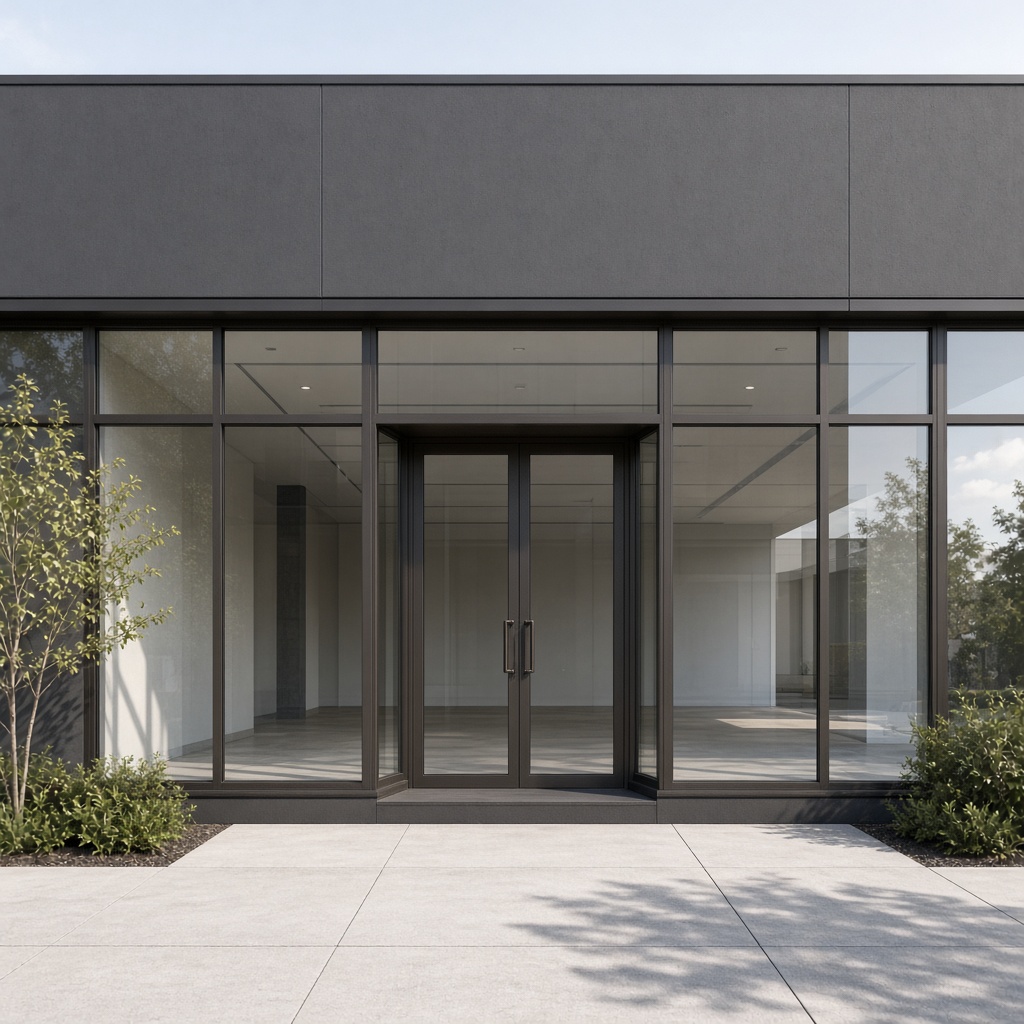

A glazing bid is only as accurate as the package behind it. The items below are what an estimator needs to price storefront, curtain wall, entrances, and interior glass without guessing, and what the general contractor needs back to compare bids fairly.
Drawings
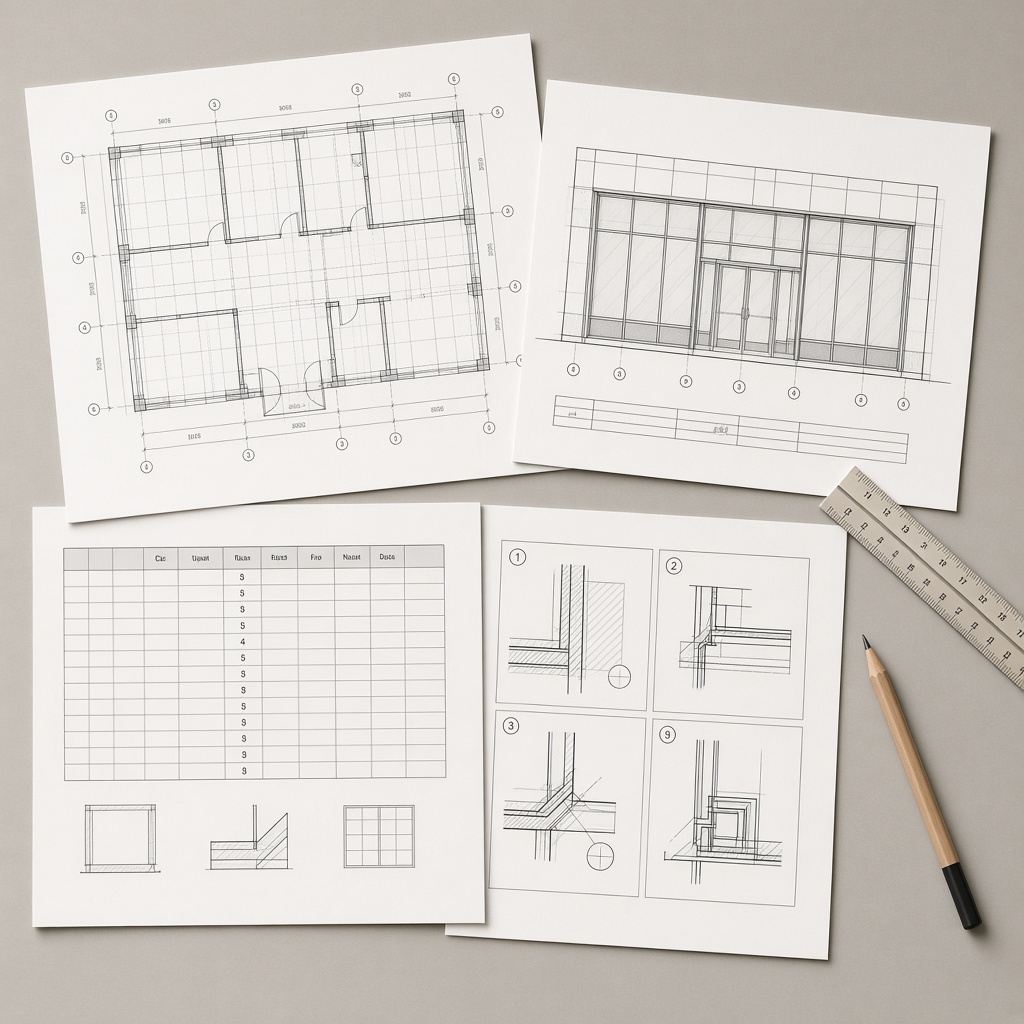
- Architectural elevations, plans, and sections at the glazed openings, with dimensions.
- Details at head, sill, jamb, and any transitions to adjacent materials.
- Door schedule and hardware sets for aluminum entrances.
- Structural information where the glazing anchors to the structure, including deflection criteria for curtain wall.
Specifications
The glazing sections define the framing systems, finishes, glass make-ups, performance requirements (structural, thermal, air and water infiltration, acoustic, impact where applicable), and the submittal, testing, and warranty requirements. An estimator reads them against the drawings; where they disagree, the bid should say which one it followed.
Performance requirements
State the required assembly U-factor and solar heat gain coefficient (whole fenestration, not glass-only values), the design wind pressures, any impact or wind-borne debris approval, structural movement and deflection criteria, sound ratings, and safety glazing locations. These drive the glass make-up and the framing system more than anything else in the package.
Schedule and sequencing
Include the expected start, the duration of the glazing phases, and whether the building will be occupied during the work. Lead times for custom finishes, insulated glass, and specialty glass are measured in weeks, and the schedule tells the bidder when shop drawings must be approved for the glass to arrive on time.
Scope clarifications
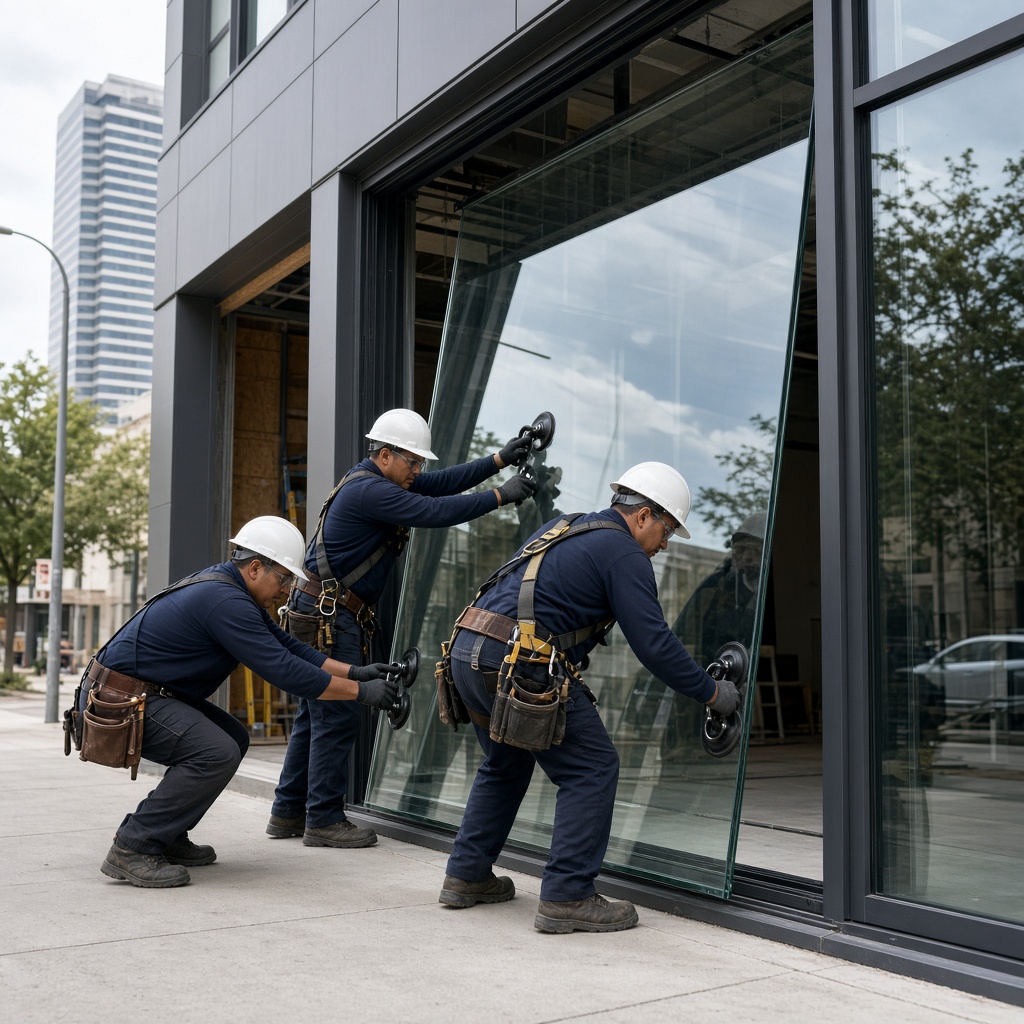
A clear scope letter lists what is included and excluded: sealants at adjacent materials, blocking and backing, flashing, temporary protection and infill, final cleaning, field measuring, hoisting, and permits. Settling these items before award reduces the room for disputes later.
Submittals
Expect shop drawings, product data, finish samples, glass samples, and test reports. Shop drawings translate the architect’s intent into fabrication dimensions and are the point at which field dimensions, anchors, and tolerances are resolved.
Alternates and value engineering
If an alternate glass make-up, finish, or system would meet the performance requirements at a lower cost or shorter lead time, ask for it to be priced separately so the comparison stays clean.
What to send for a bid
Send the drawings, the specification sections, the schedule, and the scope letter. We will return a bid that names the systems and glass make-ups priced, the assumptions made where the documents were silent, and the lead times behind the schedule.
Common questions
Which specification sections cover glazing?
Typically the Division 08 sections for aluminum-framed storefronts, glazed aluminum curtain walls, aluminum entrances, and glazing, plus any sections for interior glass, mirrors, or special assemblies. The exact numbering follows the project's specification format.
What causes the most glazing change orders?
Scope that was never clearly assigned: who furnishes and installs the sealant at adjacent materials, blocking and backing, temporary protection, final cleaning, and field measurement after the structure is built. A clear scope letter with inclusions and exclusions reduces them.